Designing for complex B2B/B2C products and tying design roadmaps to measurable business impact. Scaling design operations and leading cross-functional squads through ambiguous, high-stakes problems.
Lead Product Designer

Case Studies
(03)Checkout Optimisation
01- Role
- Lead Product Designer
- Area
- B2B · Checkout
- Result
- 2.6×order-entry revenue, held 17 weeks
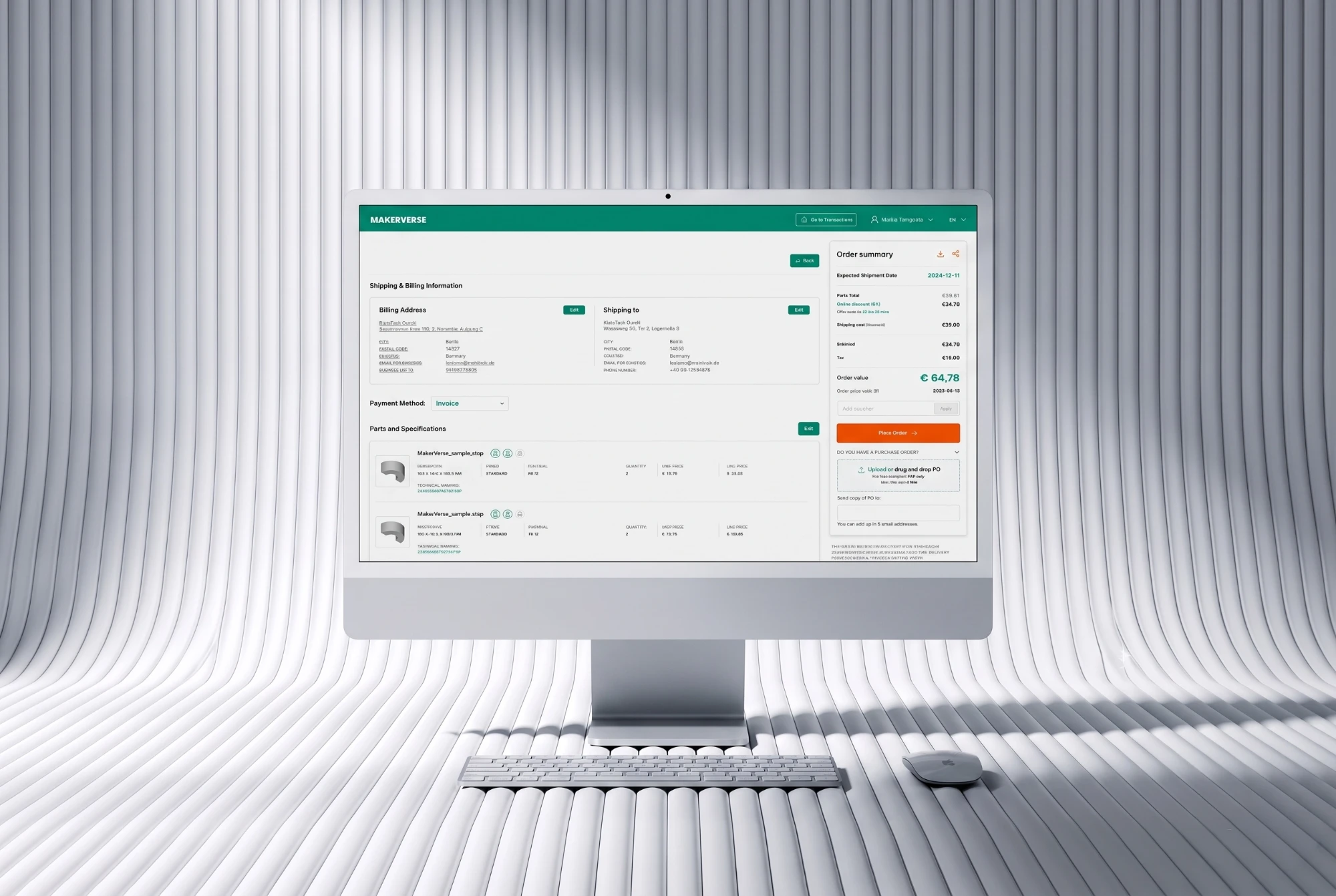
Could a 74% drop at one step be recovered without a rebuild?
Diagnosed a 74% funnel drop at a single step. Redesigned the flow in 2 sprints. Order-entry revenue grew 2.6× and held for 17 weeks.
 (01)
Diagnosis
74% of users dropped at the billing and shipping step. Recordings suggested they felt done once they saw price and lead time.
Decision
Three hypotheses, tested cheapest first. Reduce steps, reuse existing components, ship in 2 sprints.
Result
Quote-to-order conversion up 11 points. About 2× orders per week. 2.6× order-entry revenue, held for 17 weeks.
The discount phase was pricing, not design.
(What I believe)Constraints are part of the material we design with.
Evaa
02- Role
- UI Strategy
- Area
- AI · UI Work
- Result
- AIvoice-guided qualitative interviews
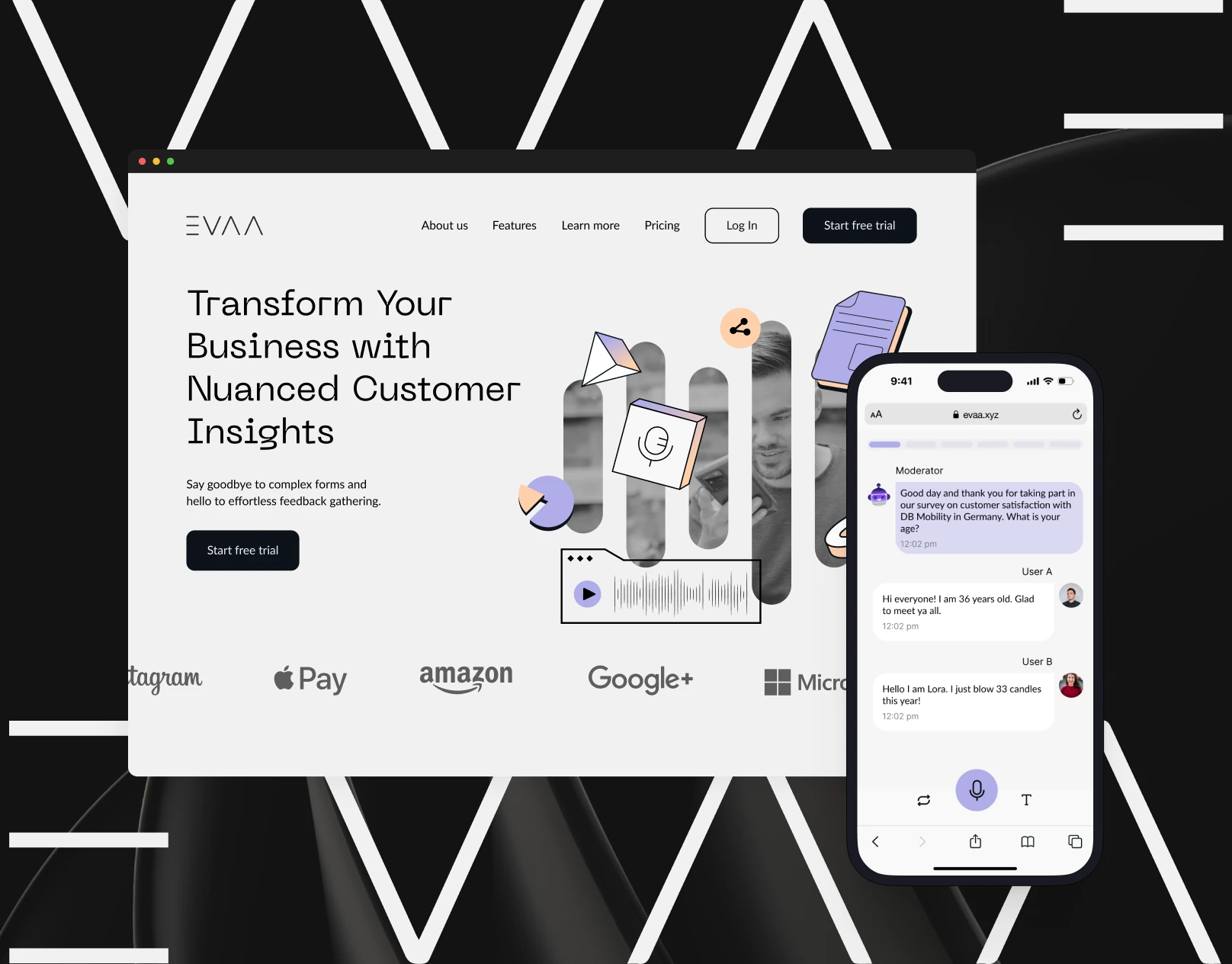
Transforming qualitative user interviews with innovative AI integration for SMEs' accessible marketing research.
 (02)
Product
An AI voice guides people through qualitative interviews, built for SMEs.
Design
UI strategy, visual identity and animated micro-interactions, with one other designer and the dev team.
Signal
Users called it “gorgeous and effortless”.
Conversational design needs more time when the input is vocal.
(What I believe)An idea has to survive contact with reality.
Signup Funnel Redesign
03- Role
- Lead Product Designer
- Area
- B2B · Sign-up
- Result
- +41%sign-ups, held 7 months
Which fields did sign-up really need?
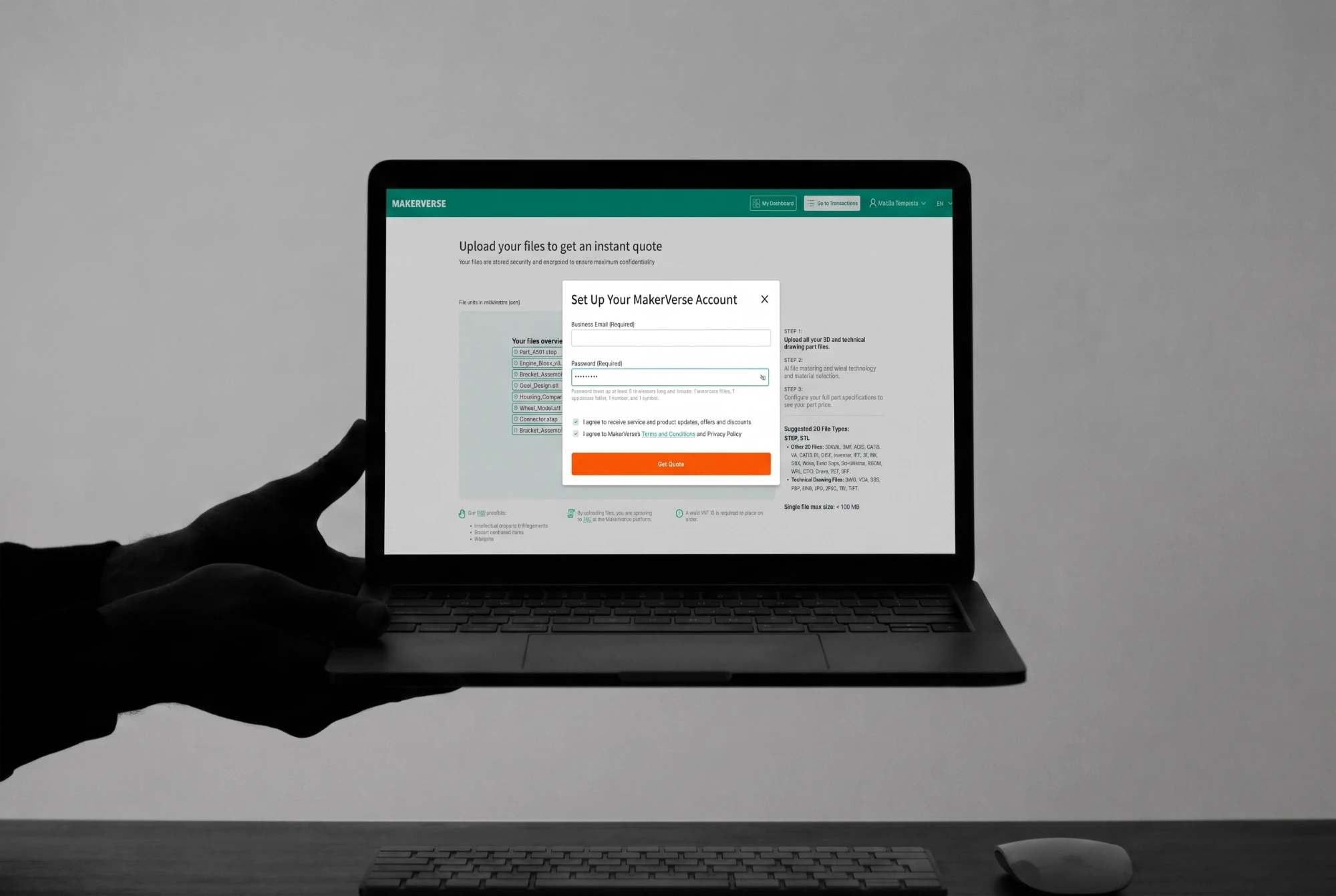
Diagnosed a 72% abandonment rate at the post-upload registration step. Removed two redundant fields in 1 sprint. Sign-ups rose 41% and held for 7 months.
 (03)
Diagnosis
72% abandoned at registration after uploading a part. Mixpanel, Hotjar recordings and Sales pointed at the same two fields.
Decision
Cut two mandatory fields and moved email verification from sign-up to Place Order.
Result
Sign-up volume up 41% in one sprint. Sign-up conversion 19% → 24%. Held for 7 months.
Measured before and after, not as a clean A/B test.
(What I believe)Simplicity is difficult, and that’s why I value it.
About
05
- (01)
- Lead Product Designer
- (02)
- Hackshow finalist, showcasing top projects in Product
- (03)
- Master of Science in Engineering & Master in Architecture
I’m Mattia, a Lead Product Designer working on complex B2B product problems.
I’ve helped grow order entry, improve conversion across sign-up, quoting, and checkout flows, and bring design work further upstream into product direction, delivery quality, and business impact.
My work sits between product, design, engineering, and data. I spend a lot of time framing problems, looking at user behavior, testing ideas, prototyping, and working closely with stakeholders to turn ambiguity into clearer decisions. Over time, my role has grown from designing flows to shaping workflows, improving handovers, mentoring designers, and helping teams stay focused on the right problems.
Design Backed by Evidence
I use a mix of analytics, user feedback, and direct observation to guide decisions. I’m less interested in design opinions than in understanding behavior, spotting patterns, and using that evidence to make better product choices.
Product and Engineering
I work closely with product managers and engineers from early framing through delivery. That usually means clarifying scope, catching technical risks early, and reducing rework before it spreads.
Systems over Screens
Part of my work has been improving how design moves into development, from clearer documentation and prototypes to better handoff rhythms and more consistent ways of working across teams.
Ownership and Support
I like being hands-on, but I also care about helping others do good work. That has included mentoring designers, giving structure where process was loose, and keeping teams moving when priorities shift.
(Sign-off)Building is part of thinking.